Dream Angel Font: Romantic Script for Web Design
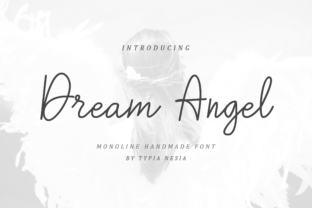
Dream Angel is a romantic handwritten script font that brings elegance and emotion to digital design. As a web designer, I appreciate fonts that not only look good but also enhance the user experience. Dream Angel fits this bill perfectly, offering a soft, flowing style ideal for headers, logos, and decorative elements.
Its visual characteristics include smooth curves, delicate serifs, and a natural, handcrafted feel. This makes it stand out in a sea of rigid, geometric typefaces. The font’s personality leans toward sophistication and warmth, making it an excellent choice for brands aiming to convey a sense of care, creativity, or intimacy.
Using Dream Angel in Web Design
Dream Angel excels in website headers, hero sections, and landing pages where a strong visual impact is needed. Its fluid strokes add a touch of artistry that can elevate the overall aesthetic of a site. For example, on a creative portfolio or boutique online store, using Dream Angel for the main title can immediately set a tone of elegance and attention to detail.
It also works well in call-to-action areas, such as buttons or promotional banners. When paired with a clean sans serif font for supporting text, it creates a balanced contrast that draws the eye without overwhelming the reader. This combination helps maintain readability while still delivering a visually appealing layout.
Brand Tone and Visual Hierarchy
Choosing the right font plays a critical role in establishing brand tone. Dream Angel’s romantic and personal style makes it ideal for brands targeting a feminine, artistic, or lifestyle-oriented audience. It can help reinforce a brand’s identity by adding a unique visual signature to logos, social media graphics, and marketing materials.
In terms of visual hierarchy, Dream Angel is best used for headings and short phrases rather than long blocks of text. Its intricate details may reduce readability when used at small sizes or in dense paragraphs. However, when applied strategically, it can guide users through a page by highlighting key messages and creating a natural flow.
Practical Applications for Digital Creators
For a coaching website, Dream Angel can be used in blog headers or section titles to create a welcoming and approachable feel. On a product landing page, it adds a personal touch to headlines, making the content more engaging and memorable. In a course sales page, it can be used for subheadings or feature highlights to break up text and draw attention to important points.
When designing an online store, Dream Angel can be used in banners or promotional cards to emphasize special offers or new arrivals. Its soft appearance pairs well with minimalist layouts, allowing it to stand out without clashing with other design elements.
Readability Tips for Different Screen Sizes
On mobile screens, it’s essential to use Dream Angel at a sufficient size to ensure legibility. Avoid using it for body text, but it can work well for short labels or buttons when scaled appropriately. For dark backgrounds, the font’s light weight and subtle strokes remain visible, though increasing the contrast slightly can improve clarity.
On light backgrounds, Dream Angel maintains its charm, but be mindful of spacing between letters to prevent overcrowding. When used over images or gradients, adding a subtle shadow or background overlay can help the text pop without losing its elegant feel.
Font Pairing Strategies
Pairing Dream Angel with a simple sans serif font like Lato or Open Sans creates a modern and professional look. This combination is ideal for websites that require both a decorative and functional typeface. For editorial designs or blog layouts, pairing it with a serif font like Georgia or Merriweather can add depth and sophistication.
When working on packaging design or social media graphics, Dream Angel can serve as a standout element while remaining harmonious with other design components. The key is to use it as a focal point rather than a background element.
Font Details and Licensing
Dream Angel comes in multiple styles, including regular, bold, and alternate versions, giving designers flexibility in their projects. It is available in common file formats such as OTF and TTF, making it easy to integrate into design workflows. For web use, check if the font includes webfont licenses or consider using a service like Google Fonts for broader accessibility.
When using Dream Angel in client projects, online stores, or digital templates, always verify the commercial licensing terms. Some fonts require separate licenses for web embedding or resale, so it’s important to review the permissions before deployment.
Enhancing Brand Identity with Dream Angel
For a digital brand kit, Dream Angel can be used consistently across all assets, from website headers to email newsletters. This helps build a cohesive and recognizable identity that resonates with the target audience. Whether you’re designing for a lifestyle brand, a creative agency, or a SaaS product, the font’s versatility allows it to adapt to various contexts.
As a UI designer, I find that Dream Angel adds a human touch to otherwise technical interfaces. It can be used in app screens for labels, icons, or decorative accents, helping to soften the digital experience and make it more relatable.